Oxygen is present when this form of respiration takes place. Anaerobic glycolysis on the other hand occurs when glucose is broken down without the presence of oxygen.
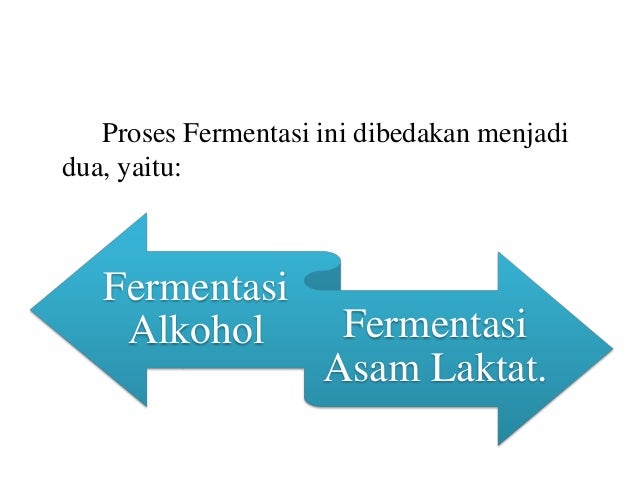
Respirasi Anaerob
Glycolysis via aerobic glycolysis occurs when oxygen and hydrogen atoms bond together to break down glucose and facilitate an exchange of energy.
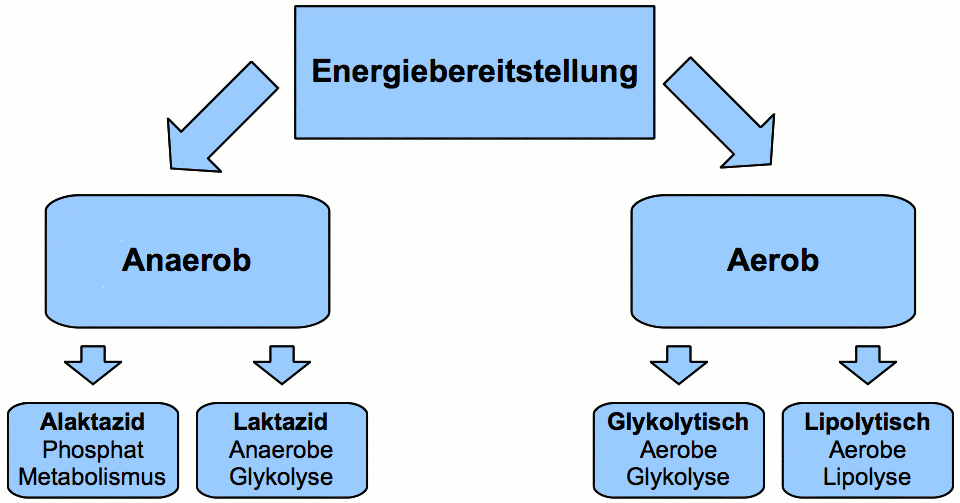
Ist Glykolyse anaerob oder aerob. Anaerobic Alactic System The anaerobic alactic system can produce energy in the range of 10-12 seconds before the system can no longer regenerate ATP for a period of time. However immediately upon finishing glycolysis the cell must continue respiration in either an aerobic or anaerobic direction. They quickly die if deprived of oxygen.
When compared to anaerobic glycolysis this pathway is much more efficient and produces more ATP per glucose molecule. None of its nine steps involve the use of oxygen. This choice is made based on the circumstances of the particular cell.
None of its nine steps involve the use of oxygen. But I am stuck on the question. The immediate need for the energy for these types of efforts is provided by ATP-CP and anaerobic glycolysis.
This choice is made based on the circumstances of the particular cell. Glycolysis as we have just described it is an anaerobic process. Aerobic glycolysis further continues in the mitochondria through Krebs Cycle or TCA and ETS leading to the formation of the final products CO 2 and water while anaerobic glycolysis further continues in the cytoplasm leading to the formation of the final product ethanol or lactic acid depending on the type of fermentation undergone.
Whether you decide to train aerobic or anaerobically is really a matter of how you prefer to train or what your fitness goals are. None of its nine steps involve the use of oxygen. Aerobic respiration is 19 times more effective at releasing energy than anaerobic respiration because aerobic processes extract most of the glucose molecules energy in the form of ATP while anaerobic processes leave most of the ATP-generating sources in the waste products.
None of its nine steps involve the use of oxygen. In simple words glycolysis is a process that coverts glucose into energy. Glycolysis as we have just described it is an anaerobic process.
None of its nine steps involve the use of oxygen. Answer 1 of 2. Glycolysis as we have just described it is an anaerobic process.
Glycolysis is really the conversion of Glucose to Pyruvate which takes place in the cytosol. Anaerobic training focuses on short bursts of intense exercise that use anywhere from 80 to 100 of your maximum exertion for each part of the exercise. That glycolysis breaks down glucose 6 carbons into 2 3-carbon pyruvate molecules and that the energy reward for this is ATP and NADH.
Oxygen is absent when this form of respiration takes place. The main difference between aerobic and anaerobic glycolysis is that aerobic glycolysis occurs in the presence of oxygen whereas anaerobic glycolysis occurs in the absence of oxygen. Glycolysis is the essential precursor to the Krebs Cycle and oxidative phosphorylationthe electron transport chain.
That glycolysis is the first step of aerobic respiration and is the only energy-producing step in anaerobic respiration. However immediately upon finishing glycolysis the cell must continue respiration in either an aerobic or anaerobic direction. If oxygen is present during glycolysis the process is termed as aerobic glycolysis and if it is absent.
Anaerobic cell respiration glycolysis fermentation produces 2 ATPglucose consumed. This choice is made based on the circumstances of the particular cell. The presence or lack of oxygen.
The primary difference between aerobic and anaerobic respiration is the presence or absence of oxygen during the processes. This choice is made based on the circumstances of the particular cell. Your cells require a lot of energy and are dependent on the high efficiency of aerobic respiration.
Anaerobic glycolysis is only an effective means of energy production during short intense exercise providing energy for a period ranging from 10 seconds to 2 minutes. Glycolysis as we have just described it is an anaerobic process. The anaerobic glycolysis lactic acid system is dominant from.
The Anaerobic Lactic System can produce ATP more quickly than the aerobic system however cannot sustain that rate of energy production for much longer than 1 minute. Aerobic glycolysis is the glycolytic pathway which occurs in the cytosol in the presence of oxygen. This is much faster than aerobic metabolism.
Is glycolysis anaerobic or aerobic. The major difference between aerobic and anaerobic glycolysis is the presence or absence of oxygen. Now this portion doesnt require any oxygen whatsoever.
However immediately upon finishing glycolysis the cell must continue respiration in either an aerobic or anaerobic direction. However under anaerobic conditions. Anaerobic performance largely includes explosive exercises that end in a short time.
HIIT workouts are cardio-focused which means they benefit heart and cardiovascular health. Compared to traditional cardio workouts performed at a steadier effort level and heart rate HIIT has a lot of benefits 1. It can occur aerobically or anaerobically depending on whether oxygen is available.
However immediately upon finishing glycolysis the cell must continue respiration in either an aerobic or anaerobic direction. Is glycolysis anaerobic or aerobic. Aerobic cell respiration is roughly 18 times more efficient than anaerobic cell respiration.
Glucose is being converted to pyruvate which then undergoes either alcoholic fermentation or lactic fermentation. Think about it when oxygen is scarce this pathways is still running. Anaerobic glycolysis is the transformation of glucose to lactate when limited amounts of oxygen O 2 are available.
Glycolysis is the major pathway of glucose metabolism and occurs in the cytosol of all cells. Guest over a year ago. New Reply Follow New Topic.
However immediately upon finishing glycolysis the cell must continue respiration in either an aerobic or anaerobic direction. Glycolysis as we have just described it is an anaerobic process. More detailed differences are between the two are as follows.
The process of glycolysis forms. It happens in the cytoplasm. Improves both aerobic and anaerobic fitness.
This choice is made based on the circumstances of the particular cell. I am trying to find the complete oxidation of glucose as it inters the cell in anaerobic enviroment. In aerobic glycolysis the end product pyruvate is transferred to mitochondria for the initiation of Citric acid cycle.
Comparison Table Between Aerobic Glycolysis and. If any one could help me out I am stuck. 632020 Aerobic exercises increase a persons heart rate and breathing rate over a sustained period.
This is clinically significant because oxidation of glucose under aerobic conditions results in 32 mol of ATP per mol of glucose. Furthermore aerobic glycolysis leads to a significantly efficient ATP production pathway which proceeds through Krebs cycle and oxidative phosphorylation while anaerobic glycolysis leads to a less efficient.

Perbedaan Bakteri Aerob Dan Anaerob Pengertian Respirasi Aerob Hidup Produk Dunia
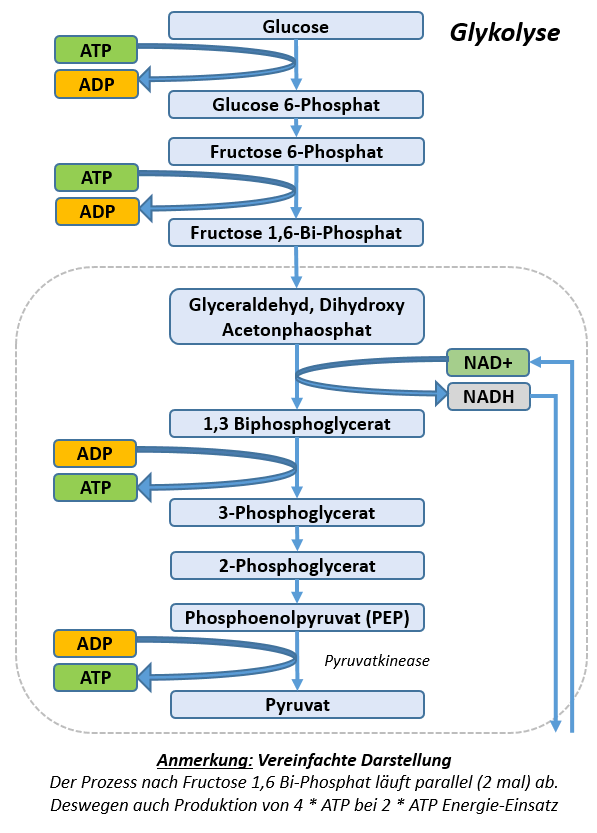
Anaerobe Glykolyse Von Krebs Fatigue Laktat Ubersauerung Adrenalin Nad Mangel Vitamin B3 L Carnitin Keto Co H C S Blog